Is TMS Right for Treatment-Resistant Depression?
Is TMS a good option if your depression hasn't improved with medications or therapy? Lukmanafis Babajide, MD, Psychiatrist, Eisenhower Behavioral Health, explains how TMS is used for major, treatment-resistant depression. Hear who qualifies, how patients are mapped to a treatment area, the typical five-days-a-week for six-weeks schedule, and how insurance often covers TMS when criteria are met. Learn what to ask before you decide and what realistic outcomes to expect.
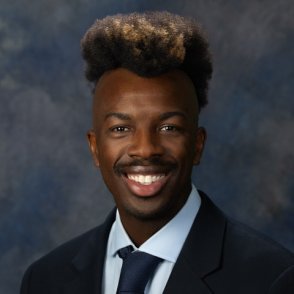
Profile:
Lukmanafis Babajide, MD, Board Certified in General Adult Psychiatry and fellowship-trained in Transgender Psychiatry, is seeing patients in Rancho Mirage. Dr. Babajide is LGTBQ+ friendly. Dr. Babajide is also a certified Transcranial Magnetic Stimulation (TMS) provider.
Dr. Babajide completed his medical degree at the University of Texas Southwestern Medical Center in Dallas, TX. He completed an Internal Medicine internship at Western Reserve Health Education in Youngstown, OH, and a residency in Psychiatry at Rutgers New Jersey Medical School in Newark, NJ. He also completed a Transgender Psychiatry fellowship at Icahn School of Medicine at Mount Sinai in New York City.
Always wanting to help people directly, Dr. Babajide decided to pursue becoming a physician early in life. While in college as a pre-med student, he started focusing on psychiatry as a subspecialty. "I consider myself an expert-advisor to my patients," states Dr. Babajide. "It's up to my patients to determine what they want to do - I can assist in helping to set realistic, attainable goals, provide education regarding options including the risks and benefits, but it's ultimately up to the patient. I am big on communication and regularly assess with patients if we are meeting their needs with the time we spend together. If not, we can pivot and refocus," adds Dr. Babajide regarding the individualized, holistic therapy he provides.