The COSMO Study: Adherence to Cardio-Oncology Surveillance Recommendations and Cardiotoxicity Outcomes in Patients Receiving Cardiotoxic Antineoplastic Therapies - A Retrospective Case Series
This is a retrospective, case series study using electronic health record (EHR) data. Adult oncology patients exposed to cardiotoxic antineoplastic therapies will be evaluated for adherence to guideline-based cardiovascular surveillance practices and cardiotoxicity-related outcomes.
Official Title
The COSMO Study: Adherence to Cardio-Oncology Surveillance Recommendations and Cardiotoxicity Outcomes in Patients Receiving Cardiotoxic Antineoplastic Therapies - A Retrospective Case Series
Keywords
Adult oncology patients exposed to cardiotoxic antineoplastic therapies
Eligibility
for people 18 to 110
1. Age =18 years 2. Exposure to at least one cardiotoxic antineoplastic therapy ... more
less
1. Age =18 years 2.Exposure to at least one cardiotoxic antineoplastic therapy
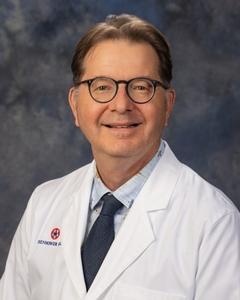
Thomas Schulz, MD, is Board Certified in Medical Oncology, Hematology and Internal Medicine. He is Medical Director of Eisenhower Hematology/Oncology overseeing five locations. Dr. Schulz sees patients in Rancho Mirage and Yucca Valley. After earning a medical degree and completing an internal medicine residency program at the University of Kansas School of Medicine, he completed fellowship program in hematology and medical oncology at the University of Colorado School of Medicine.Dr. Schulz ini... more
less
Thomas Schulz, MD, is Board Certified in Medical Oncology, Hematology and Internal Medicine. He is Medical Director of Eisenhower Hematology/Oncology overseeing five locations. Dr. Schulz sees patients in Rancho Mirage and Yucca Valley. After earning a medical degree and completing an internal medicine residency program at the University of Kansas School of Medicine, he completed fellowship program in hematology and medical oncology at the University of Colorado School of Medicine.
Dr. Schulz initially became interested in medicine in high school, seeing his mother battle metastatic breast cancer. While in medical school and residency, he had a difficult time deciding on a specialty. “I liked every rotation,” states Dr. Schulz. “But I always came back to oncology – it was the patients who were so special. I was drawn toward my desire to come alongside of very ill patients and help to make their journey in the health system better.” While Dr. Schulz sees all types of cancer patients, his practices focuses on benign hematology including anemias, iron deficiency, bleeding disorders and thromboembolic disease.
When interacting with patients, Dr. Schulz focuses on compassion. “Everyone is someone’s daughter or son,” he comments. “I find compassionate listening is a key tool as I find useful information when I understand my patient’s story and their lifestyle needs.