


The "Other" Sugar
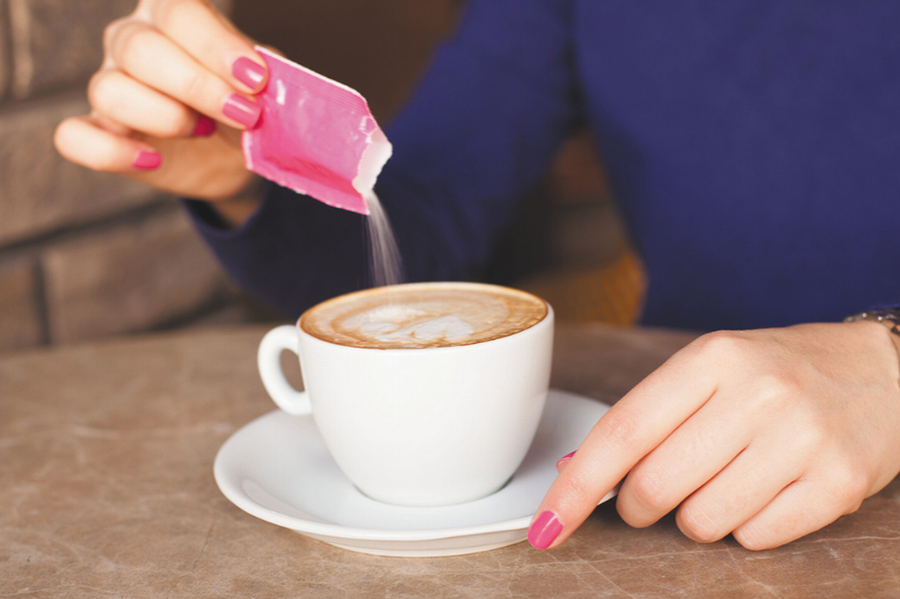
AS PEOPLE CONSIDER the potential impact of obesity, diabetes and prediabetes on their health, many are searching for alternatives to staples that have long been part of their diet, particularly alternatives to sugar.
“We know that some artificial sweeteners are beneficial for people with diabetes and people needing to watch total carbohydrate intake,” explains Tama Rodriguez, RDN, Certified Diabetes Care and Education Specialist (CDCES), Eisenhower Diabetes Education Services.
“In most cases, it would be better to drink a diet soda than drink a regular soda if you have diabetes,” says Rodriguez. “And, for people who are trying to lose or manage their weight, there are no calories in a diet soda, providing an additional benefit in reducing total calorie intake to promote weight loss.”
Artificial sweeteners, however, continue to be laden with controversy. Studies have found concerns with specific artificial sweeteners - for instance, a possible connection of aspartame to cancer.
The safety of other sweeteners is in question as well. A 2023 research team funded by the National Institutes of Health (NIH) studied erythritol, commonly found in monk fruit-based sweeteners, and its possible connection to heart attacks and stroke. The results pointed to a possible increase in blood clot formation, which could in turn lead to a heart attack or stroke. These results indicate that further studies should be conducted to determine long-term effects of sweeteners, including erythritol. People concerned about these possible effects should use sweeteners in moderation or reduce their overall intake of artificial sweeteners.
Rodriguez points to sucralose (Splenda®) as a safer sweetener based on larger, more significant studies but cautions that all sweeteners should be used in moderation. She advises reading labels to find which drinks, including some sports drinks and sparkling waters, utilize sucralose.
A Dash of Sugar?
Monk fruit is a popular baking alternative because of its sweetness and texture, but as an avid baker herself, Rodriguez continues the search for a pure product without erythritol.
Other trends for baking and cooking include sugar swaps, including apple sauce, honey and pure maple syrup.
“Maple syrup and honey are metabolized similarly to table sugar,” warns Rodriguez. “Yes, they occur naturally in nature. You could say that sugar does as well, it’s just more processed. For anyone concerned with their blood sugar, maple syrup and honey will affect your blood glucose levels in a similar way to table sugar.”
Applesauce has also been popular for replacing sugar and fat in recipes; however, a half cup of applesauce has 15 grams of sugar or 15 grams of carbohydrates. Rodriguez notes that this is not a significant difference from sugar for someone who has pre-diabetes or diabetes.
What would Rodriguez advise instead? Moderation.
“People do better with moderation than elimination as a rule because they’re more likely to maintain a long-term health plan if they have a few little treats here and there,” she says.
Consider baking for others for the creative outlet but not eating the resulting treat each time the desire to bake strikes.
“If you really can’t control your intake of sugar or sugary products when you have them in the house, don’t have them in the house,” she adds. “Have a small portion of something when going out to a party or at a friend’s and don’t bring any home.”


