


From Mother to Daughter

So, it was no surprise when, following the colorectal cancer screening guidelines recommended at the time, she scheduled her first colonoscopy eight years ago, around the time she turned 50.
“I’d had some blood in my stool, but I was really healthy, my blood work was always normal at every check-up, I eat well - so I was sure that everything would be fine,” Diffey relates.
But it wasn’t. Her routine screening colonoscopy revealed a large cancerous polyp in her colon.
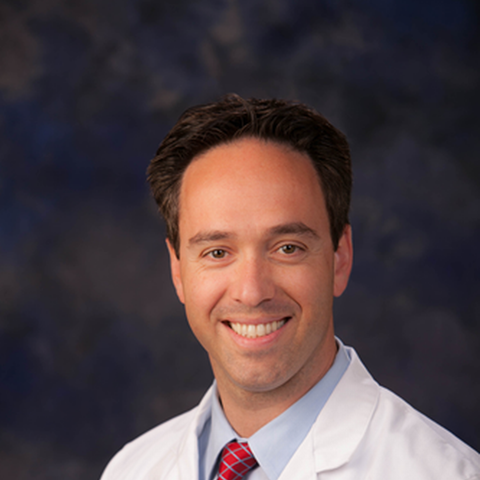
“After a finding like that, a patient’s life changes in one conversation,” says Board Certified Gastroenterologist James Conti, MD, who performed her colonoscopy.
“Now we had to start down a different pathway and assemble a team to manage the colon cancer.”
“I had surgery on February 14, 2018, which I hoped would be a cure,” Diffey recalls. “But of the 18 lymph nodes that were tested [as part of surgery], one was positive for cancer.”
The presence of a positive lymph node meant that chemotherapy after surgery (called adjuvant chemotherapy) was recommended to help destroy any remaining cancer cells and reduce the risk of recurrence. Diffey underwent six rounds of chemotherapy, wrapping up in July 2018.
She credits her commitment to healthy living for helping her get through treatment.
“Preventive health is like putting money in the bank where it earns interest,” she says. “When something goes wrong in your body, that accumulated ‘interest’ will help you recover. If you never accumulate that interest, it’s hard to come back from the things that can happen as we age, like a cancer diagnosis.
“This is why I move,” she continues. “I wanted to feel my vitality come back after I fought so hard to get through my diagnosis and treatment.
I have a high school friend living in Hawaii who was diagnosed with cancer at the same time I was who wasn’t active - and he had every symptom from chemo [the doctors] described, including problems with the neuroreceptors in his hands and feet. I had mild symptoms but would get up and move and they’d be gone.
“Meditation during chemo was really powerful, too,” she adds, noting that it helped her learn “to live in acceptance versus resistance. And supporting my body with good nutrition along with exercise ... I got through it easier than others I saw.”
Diffey’s experience underscores the value of regular screening.
Diffey has remained cancer-free ever since her treatment and is vigilant about having regular screening colonoscopies to help ensure she stays that way.
But in a serendipitous turn of events, four years ago her then-21-year-old daughter, Tyler, started having some concerning symptoms, including rectal bleeding.
“Because she was working as a medical assistant in Dr. Conti’s office at the time and knowing my medical history, they got her in for a colonoscopy right away,” Diffey says.
“We found and removed quite a large polyp in her colon that turned out to be precancerous,” Dr. Conti says. “She’s had subsequent exams and we found another polyp. It’s likely that her mother’s diagnosis has something to do with it because there are genes associated with certain cancers that greatly increase a person’s colorectal cancer risk.”
“I thank God my daughter got her first colonoscopy when she did,” Diffey says. “And I thank cancer in a way. I’m not resentful that I had it, especially since my diagnosis may have helped prevent my daughter from getting cancer as well.
“Cancer really does help you appreciate things more,” Diffey adds.
For more information on scheduling a screening test, call 760.773.2882 or
visit EisenhowerHealth.org/GIScreening.
Newer Colorectal Cancer Screening Guidelines
In 2018, the American Cancer Society (ACS) was the ?rst major organization to lower the recommended age for colorectal cancer (CRC) screening from 50 to 45 in people at average risk. In 2021, the U.S. Preventive Services Task Force and the U.S. Multi-Society Task Force on Colorectal Cancer followed suit.
Why the Change?
“There’s been an alarming trend of increasing rates of colorectal cancer in younger people so it made sense to move the goal posts and start screening earlier,” says Board Certi?ed Gastroenterologist James Conti, MD.
In fact, since the mid-1990s, there has been a consistent annual increase of 2% in cases among adults aged 20 to 39. And 1 in 5 people diagnosed with CRC today are under age 55.
Experts believe obesity, sedentary lifestyle, increased consumption of ultra-processed foods and environmental factors may all be at play. And, a family history of CRC raises the risk.
“While there is some genetic predisposition to getting colorectal cancer, a lot of it is just bad luck, which reinforces the vital importance of regular screening,” Dr. Conti says. “Talk to your doctor about your individual risk factors and get screened accordingly.”


