


Fiber on the Menu
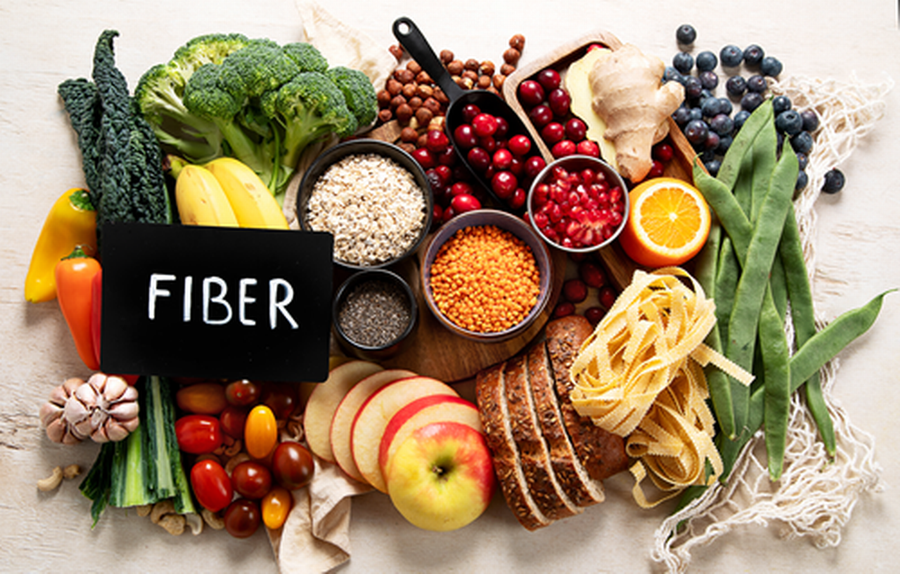
The demand for high-fiber foods is rising, as food is increasingly viewed as medicine.
More people are looking for ways to combine fiber with protein, probiotics, prebiotics and other immune supports for personalized nutrition.
“Fiber improves our quality of life more than you might imagine,” says Jillian Nybakken, RDN, Eisenhower Health. “Unless people actively prioritize a whole-food approach to their diets, there’s a good chance they’re not getting enough.”
Despite fiber’s current popularity, statistics remain low. About 90% of women and 97% of men don’t meet the recommended daily intake for fiber, says the Department of Health and Human Services - which recommends 25 grams for women and 38 grams for men.

Fiber works overtime to improve digestion, control blood sugar and lower low-density lipoprotein (LDL) cholesterol (high levels lead to plaque in arteries). It is credited with reducing the risk of type 2 diabetes, heart disease and even certain cancers. And, it contributes to weight control by increasing satiety (so you feel fuller and eat less).
So why do so many of us fall below the mark? “Much of our food is ultra-processed. So, a lot of the nutrients and fiber are stripped away,” says Nybakken.
For some, there’s a lack of understanding of fiber’s capabilities. “Fiber still tends to be marketed as a treatment for constipation,” says Gardenier. “People think if they’re not constipated, then they don’’t need it. Not true.”
A type of carbohydrate in plant-based foods like fruits, vegetables, whole grains, nuts and seeds, fiber passes through the body undigested. It travels to the colon, where it feeds beneficial gut bacteria, enabling it to create short-chain fatty acids - essentially anti-inflammatory agents.
The specific jobs fiber takes on depends on whether it’s soluble or insoluble. Both help restore and maintain a good balance in your gut microbiome.
Soluble fiber dissolves in water. It can help lower bad cholesterol, keeping your digestive system happy, and stabilize sugar absorption into the bloodstream. Insoluble fiber doesn’t dissolve; it moves food through the digestive system, promoting regularity.
Ready to add fiber to your diet? Nybakken suggests making strategic swaps in what you’re eating - and doing it gradually. “Start by paying more attention to what you’re eating.”
Swap a refined food - such as instant oatmeal - for whole grain oats or quinoa. If your usual morning go-to is white toast with butter, trade it for whole wheat with peanut butter. And skip greens powder in favor of the actual greens.
“Maintaining good gut health,” says Gardenier, “is a balance between good nutrition, a healthy outlook, stress management, exercise, adequate fluids and a healthy weight.”

Read the ingredients of any supplement. “Some contain other things beyond fiber,” he says, “such as flavoring, coloring, sugar or artificial sweeteners. These may provoke symptoms in people with sensitive stomachs.”
Most of all, listen to your gut. “Our body speaks to us,” says Nybakken. “It will tell you if it’’s getting too much or too little of something and then you can course-correct.”
To learn more about GI services, visit EisenhowerHealth.org/GI or call 760.568.1234.
Fiber-Building Tips
Now that you’ve got the fiber bug, here are ways to increase its role in your diet.
Start slow. Don’t aim for the recommended total right away. Add a few more grams a day and keep the additions coming. If using a fiber supplement, read the label and cut the recommended dose in half at first. Then, find the level that works for you.
Favor plant diversity. Different types of fiber feed different beneficial gut bacteria. Get your soluble fiber from oats, beans, lentils, split peas, apples and blueberries. Insoluble fiber can be found in leafy greens, nuts, seeds, brown rice, quinoa and cruciferous vegetables.
Make easy adds. Stir almonds, ground flaxseeds or chia seeds into cereals and brighten casseroles, rice dishes and soups with veggies.
Snack time. Substitute processed snacks like potato chips or cookies with nuts, veggies with hummus, or air-popped popcorn.
Drink water. Healthy hydration helps fiber do its job and can help prevent uncomfortable bloating.
Want expert help? Consult a dietitian for personalized guidance.The essential carb that’s gaining momentum


