


TAVR
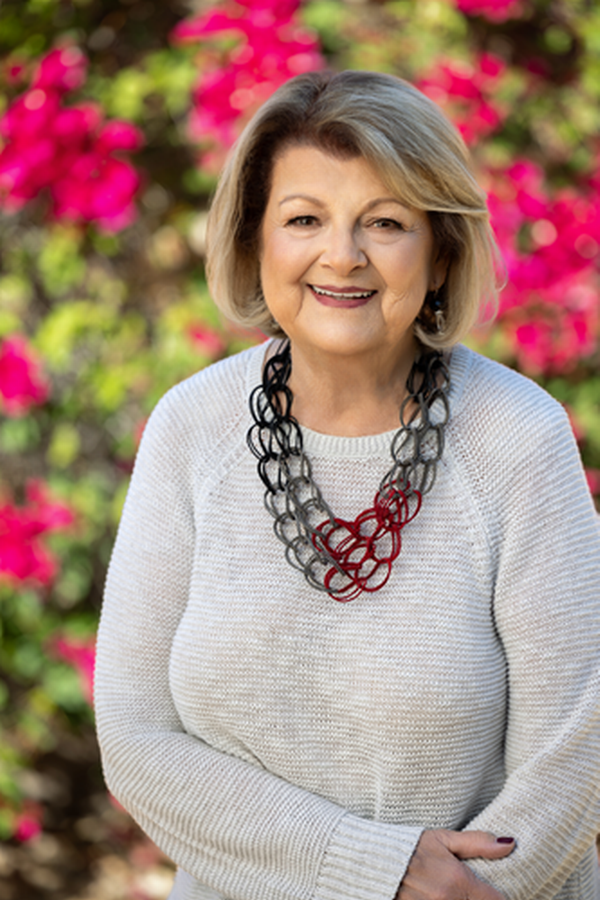
One day before Valentine’s Day 2025, Gross, 84, underwent a stent placement to open the blocked artery. While working with a physical therapist during inpatient cardiac rehabilitation at the Rehabilitation Hospital of Southern California in Rancho Mirage postoperatively, she became lightheaded and dizzy, and lost consciousness.
Rushed to the Eisenhower Tennity Emergency Department, Gross was found to have severe aortic stenosis with decreased oxygen to the brain and backup of blood into the lungs, which had become inundated with fluid, making it hard to breathe and absorb oxygen.
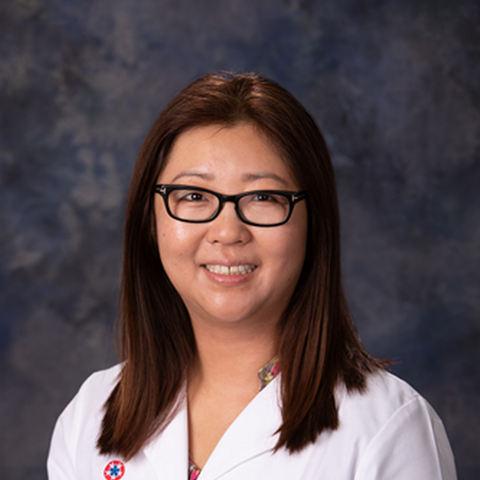
Her loss of consciousness and shortness of breath were textbook symptoms of a stenosed aortic heart valve, says Dr. Park, Board Certified in Internal Medicine and Cardiovascular Disease -who called in the Eisenhower heart team to evaluate Gross for valve replacement.
The Heart’s Structural Defects
Aortic stenosis can progress rapidly and unpredictably, with or without symptoms. A buildup of calcium narrows the aortic valve, so it no longer fully opens and closes. The only effective treatment for heart valve failure is replacing the aortic valve.
Only 20 years ago, people with severe aortic valve disease in the U.S. had only one option to replace the valve - open-heart surgery - which excluded high-risk patients.
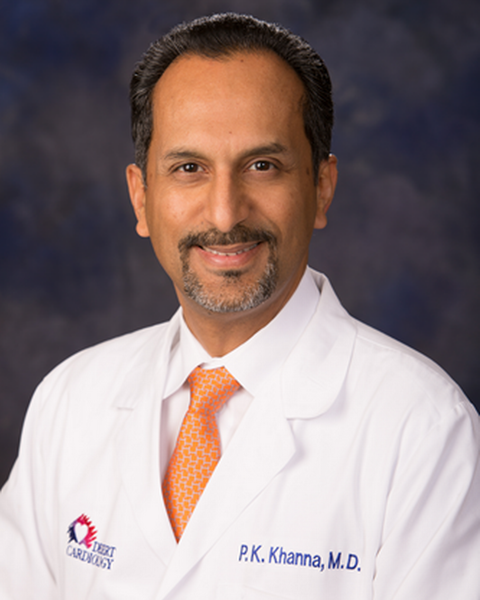
“You can perform open-heart surgery to replace a valve in someone who is 80 plus - the operation will go fine. The problem is, these patients don’t have the reserve to recover from such a huge surgery,” says Puneet K. Khanna, MD, FACC, Board Certified Interventional Cardiologist at Eisenhower Desert Cardiology Center, the largest specialty cardiology group in the Coachella Valley.
In 2015, the heart team at Eisenhower Medical Center began utilizing the TAVR procedure, opening opportunities to replace a failing aortic valve with one composed of biological heart tissue from a cow or pig. This allows replacement of the valve without having to do open-heart surgery.
“TAVR initially was intended for the sickest patients,” Khanna says.
Clinical trials proved its benefits for patients at a moderate and low risk for open-heart surgery - both groups did equally well with TAVR. Recently, the U.S. Food and Drug Administration approved TAVR for asymptomatic severe aortic stenosis.
Many of the patients Dr. Khanna sees are in their 80s and 90s; his oldest patient to undergo the TAVR procedure was 99 years old.
Gross is a retired social worker with extensive experience in medical and mental health settings. Even so, hearing from Dr. Khanna that she needed an aortic valve replacement, “was frightening at first,” she says.
Customizing each new valve
Dr. Khanna outlined the TAVR procedure in detail, answering all her questions. With the support of her daughters, she was ready.
First, Gross underwent a series of tests, including an angiogram, an echocardiogram and a CT scan to create a 3D model of her heart.
“We do about 40 different measurements to determine the exact size of the valve needed for each patient and customize the procedure to their needs,” says Dr. Khanna.
Most often, the valve is carried to the heart via the groin. Gross’ leg artery was blocked by calcium buildup, so Dr. Logsdon made the incision in her neck.
The physicians implanted a temporary pacemaker in Gross’ chest to put her heart almost at a standstill. Then, Dr. Khanna inserted a catheter into an artery and, guided by live imaging, advanced it toward the diseased aortic valve.
“We have to land the valve within a couple of millimeters of where it needs to go,” says Dr. Khanna, who had 30 to 60 seconds to position and expand it.
Eisenhower is now the second-busiest valve center in Southern California. Over the past decade, Eisenhower Health’s dedicated TAVR team has performed 1,500 TAVR procedures, achieving a remarkable 99% success rate that surpasses national averages.
In 2025, Eisenhower Health proudly commemorated a decade of excellence in performing TAVR, marking its position as the first and only hospital in the Coachella Valley to offer this life-saving procedure. Valve manufacturer Edwards Lifesciences has identified Eisenhower as a site of excellence and sends teams from across the country to observe procedures.
Embracing a healthy future
Recovering in the hospital, Gross felt better almost immediately; she could take much deeper breaths.
At the outpatient cardiopulmonary rehabilitation course at the Renker Wellness Center, she learned how to keep her heart healthy with exercise and the Pritikin low-fat, high-fiber diet - another step in what she calls “a transformational journey.”
Her worst confession?
“Before this, many a night, I would have potato chips and Chardonnay for dinner, followed by ice cream,” she says.
Now fruit is her sweet treat, she cooks mindful meals and exercises three times weekly with a trainer. Her weight is down, her mind clearer and endurance up.
“I’ve had a wakeup call giving me the opportunity to stay healthy and live longer,” says Gross, who is grateful to all involved in her care. “I still have another chapter to write.”
To learn more about the services at Eisenhower Desert Cardiology Center,
visit EisenhowerHealth.org/DesertCard.


